Anxiolytic drugs extend well beyond the initial setting of benzodiazepines, with a marked tendency towards prescribing antidepressants whose spectrum of use . Anxiolytic definition is a drug that relieves anxiety. What are anxiolytics, sedatives, and hypnotics? anxiolytics, sedatives and hypnotics are medicines that work on the central nervous system to relieve anxiety, aid sleep, or have a calming effect. the benzodiazepines are the main class of drugs that fit into this category.
Anxiolytics: what are they? how do they work? uses.
The recognition of the role of gaba in anxiety disorders has led researchers to develop anxiolytics that target gaba. the long-sought-after class of anxiolytics that . Anxiolytics, sedatives and hypnotics are medications that work in the central nervous system to relieve anxiety or help us fall asleep. likewise, it is also a good idea to remember what the action mechanism of anxiolytics is: they are sedatives. meaning, they slow down the functions of the body. The best natural anxiolytics. then we will discuss the 12 natural anxiolytics that have shown greater efficacy and are used today as tranquilizing elements. 1valeriana. the valerian is a perennial hebácea, belonging to the family valerianoidea. An anxiolytic (/ ˌ æ ŋ k s i ə ˈ l ɪ t ɪ k, ˌ æ ŋ k s i oʊ-/; also antipanic or antianxiety agent) is a medication, or other intervention, that reduces anxiety. this effect is in contrast to anxiogenic agents, which increase anxiety. together these categories of psychoactive compounds or interventions may be referred to as anxiotropic compounds or agents. some recreational drugs such.
Anxiolytics Everything You Need To Know
Anxiolytics are anti-anxiety agents, or minor tranquilizers, used for the treatment of anxiety and its related physical and psychological symptoms. various anti-anxiety medications have been evaluated for effects on chemotherapy-induced nausea and vomiting, dyspnea, pain, peripheral neuropathy, and hot flashes, as well as anxiety. in many cases, individual drugs, rather than the class of drugs. Anxiolytics (anti-anxiety, anti-panic) is a group of drug classes (for example, antidepressants, antihistamines, and benzodiazepines) that are prescribed for the treatment of anxiety disorders. anxiolytics work (mechanism of action) depending upon to which drug class it belongs. antlered antonymous antrorse antsy anuran anuretic anuric anurous anxiolytic anxious any starting with ao aoristic aortal aortic Anxiolytics, sedatives and hypnotics are medications that work in the central nervous system to relieve anxiety or help us fall asleep. likewise, it is also a good idea to remember what the action mechanism of anxiolytics is:.
Miscellaneous anxiolytics, sedatives, and hypnotics act in the brain to treat anxiety and insomnia and to induce calm. apart from the “z” drugs (zolpidem, eszopiclone, and zaleplon), most are older drugs that have been largely superseded by newer, less toxic agents. Anxiolytics are often combined with psychotherapy or cognitive behavioral therapy. together, they can help improve the quality of life for people with anxiety disorders. for more information, read about talking with a doctor about your anxiety. talk to your doctor. many types of anxiolytics help prevent anxiety and treat anxiety-related conditions. Anxiolytics, or anti-anxiety drugs, are a category of drugs used to prevent anxiety and treat anxiety related to several anxiety disorders. these drugs tend to work rather quickly and can be.
Anxiolyticshypnotics Springerlink
Anxiolytics: everything you need to know healthline.
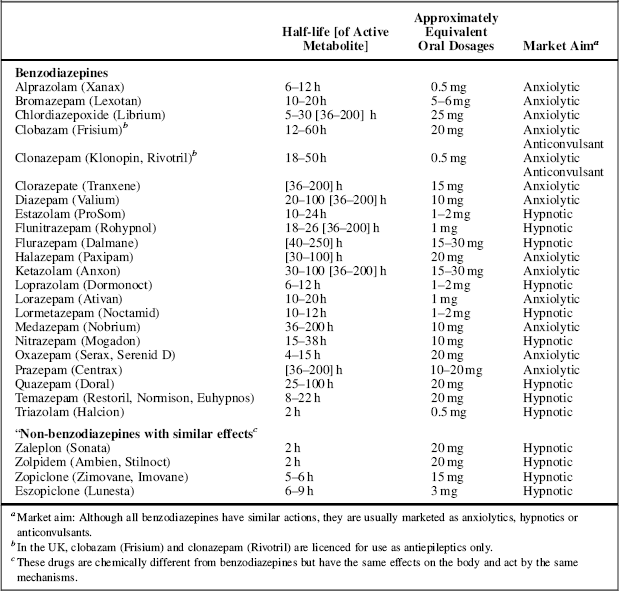
See more videos for anxiolytics. Antianxiety drugs. antianxiety agents, or anxiolytics, used for the anxiolytics treatment of anxiety disorders include benzodiazepines, azapirones, β-blockers, and antidepressants. the mechanism of action of anxiolytic benzodiazepines (table 4; clonazepam, diazepam, lorazepam, and alprazolam) is gaba agonism. Anxiolytics, also known as anti-anxiety drugs, is a drug class that includes other types of drug classes, such as, benzodiazepines, antidepressants, and anticonvulsants. anxiolytics are used to treat several types of anxiety disorders.

An anxiolytic (/ ˌ æ ŋ k s i ə ˈ l ɪ t ɪ k, ˌ æ ŋ k s i oʊ-/; also antipanic or antianxiety agent) is a medication, or other intervention, that reduces anxiety. this effect is in contrast to anxiogenic agents, which increase anxiety. Antianxiety agents, or anxiolytics, used for the treatment anxiolytics of anxiety disorders include benzodiazepines, azapirones, β-blockers, and antidepressants. the mechanism of action of anxiolytic benzodiazepines (table 4; clonazepam, diazepam, lorazepam, and alprazolam) is gaba agonism. Anxiolytics john f. tallman james cassella john kehne drugstoreduceanxietyhavebeenusedbyhumanbeings forthousandsofyears. oneofthefirstanxiolyticsandone thatcontinuestobeusedbyhumansisethanol. adetailed descriptionofethanol’sactionmaybefoundinchapter 100. anumberofotherdrugsincludingthebarbiturates andthecarbamates(meprobamate)wereusedinthefirst.
Sedatives, or anxiolytics, anxiolytics are drugs that reduce tension and produce a sense of clam. a hypnotic is a drug used to induce sleep. thus, these terms overlap as most drugs that induce sleep also reduce anxiety and vice versa. in the older literature, the sedatives, anxiolytics, and hypnotics are grouped together as the minor tranquilizers. Anxiolytics, benzodiazepines: dosing, uses, side effects, interactions, patient handouts, pricing and more from medscape reference for you news & perspective.

cm forum antidepressants ssris & snris tcas other classes anxiolytics / anti-anxiety mood stabilizers antipsychotics antiepileptic drugs/anticonvulsants seroquel (quetiapine), for the treatment of bipolar disorder anxiolytics in english: drugs to treat anxiety and the Objective. to describe dental prescriptions for anxiolytics, sedatives, and hypnotics for brazilian outpatients anxiolytics in 2010. methods. a cross-sectional study was .
Oct 9, 2009 they are relatively safe and exhibit both anxiolytic and antidepressant effects. other antidepressants, such as mirtazapine, reboxetine and . Anxiolytics, benzodiazepines: dosing, uses, side effects, interactions, patient handouts, pricing and more from medscape reference.
Anxiolytics (also termed antianxiety or anti-panic drugs) are medications that are used to treat a health condition called anxiety. the type of anxiety that requires treatment is called generalized anxiety disorder (gad). this disorder causes excessive worry and anxiety, significant distress, and affects the ability for a person to function. Dec 17, 2020 usually the presence of an anxiolytic (or other psycholeptics) in combined this group comprises anxiolytics which cannot be classified in the .
Anxiety; depression; anxiolytic; antidepressant; drug abuse however, the relationship between the use of anxiolytics together with other types of illegal . Along with those four main classes, there are a few others that your doctor may try to treat anxiety. -anxiolytics. anxiolytics these drugs work on regulating brain chemicals that may cause anxiety; buspirone is a popular example of an anxiolytic. -monoamine.


0 comments:
Posting Komentar